
Bristol Stool Chart: the 7 types of poop explained
The Bristol Stool Scale (or Bristol Stool Form Scale) is a medical tool that sorts human stool into seven types based on shape and consistency. It was developed at the Bristol Royal Infirmary in 1997 and is used by doctors worldwide to talk about constipation, diarrhea and digestive health without the awkwardness.
- Type 1Constipation

Separate hard lumps
Hard, nut-like pieces that are difficult to pass. A sign of severe constipation and slow transit.
- Type 2Constipation
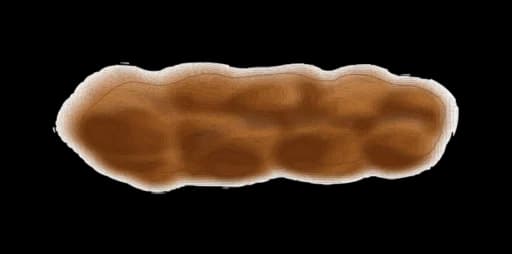
Lumpy and sausage-shaped
A sausage shape made of lumps stuck together. Usually a sign of mild constipation.
- Type 3Ideal
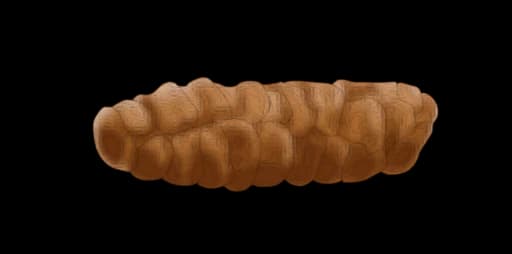
Sausage with cracks
Sausage-shaped with cracks on the surface. Generally considered normal.
- Type 4Ideal
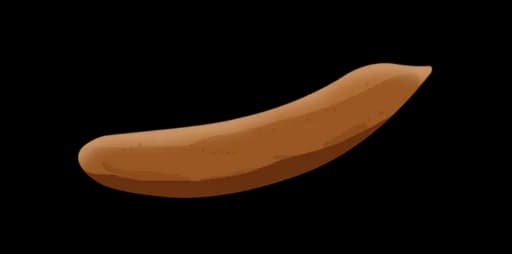
Smooth and soft sausage
Smooth, soft and snake-like. Often considered the ideal stool that passes easily.
- Type 5Diarrhea
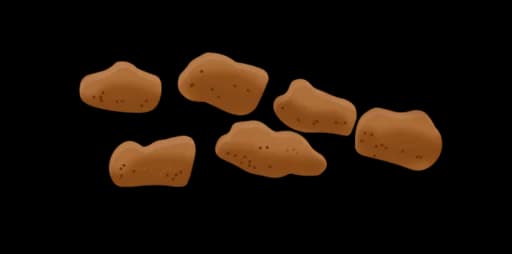
Soft blobs
Soft blobs with clear-cut edges that pass easily. Can mean a lack of fiber.
- Type 6Diarrhea
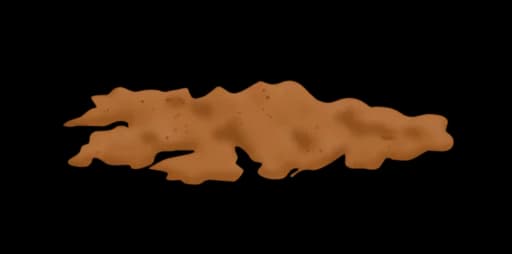
Mushy and fluffy
Fluffy pieces with ragged edges and a mushy consistency. A sign of mild diarrhea.
- Type 7Diarrhea
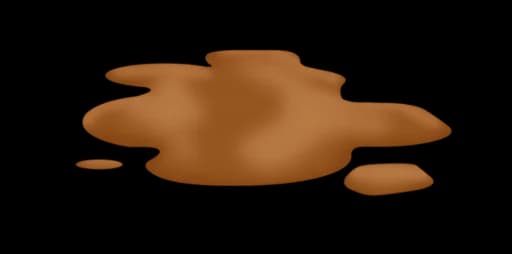
Watery
Entirely liquid with no solid pieces. A sign of diarrhea – stay hydrated.
What your stool type says about your gut
Stool type mainly reflects how long waste spends in your colon. Types 1 and 2 have stayed longer and lost more water, which points to constipation. Types 3 and 4 are the comfortable middle ground. Types 5 to 7 moved through quickly, which can point to diarrhea, a low-fiber diet, infection or an irritable bowel.
What does a healthy poop look like?
A healthy bowel movement is usually type 3 or 4: soft, formed and easy to pass without straining. It is typically medium to dark brown. Healthy frequency varies from three times a day to three times a week – what matters most is what is normal for you, and noticing when that changes.
When to see a doctor
- Blood in your stool, or black, tarry stools
- Persistent diarrhea or constipation lasting more than a couple of weeks
- Unexplained weight loss, fever or severe abdominal pain
- A lasting change in your bowel habits, especially over the age of 50
- Very pale, gray or white stools
This article is for informational purposes only and is not medical advice. Always consult a qualified healthcare professional about symptoms or concerns.

Track your stool type automatically
Remembering your stool type every day is hard. PooIQ classifies each scan on the Bristol scale, scores six health metrics and charts your trends so you can see what is normal for you – and spot changes early.
